Showing posts with label Best Eye Doctor in Delhi NCR. Show all posts

Tuesday, October 22, 2024

Laser Eye Surgery for Glaucoma in Delhi

Introduction to Glaucoma

Glaucoma is one of the leading causes of irreversible blindness worldwide. It is often referred to as the "silent thief of sight" because it progresses gradually without noticeable symptoms until significant vision loss occurs. The disease damages the optic nerve, which is essential for vision, by increasing intraocular pressure (IOP). Although it cannot be cured, early detection and treatment can help preserve vision. In Delhi, the availability of advanced treatments such as laser eye surgery is making glaucoma management more effective, Eye Glaucoma Treatment​ and Eyeroots Eye Clinic is at the forefront of offering these solutions.


What is Glaucoma?

Glaucoma encompasses a group of eye conditions that result in optic nerve damage, often due to elevated intraocular pressure. The optic nerve is responsible for transmitting visual information from the eye to the brain. When the pressure inside the eye increases, it can cause irreversible damage to the optic nerve, leading to vision loss and, in severe cases, blindness.

There are several types of glaucoma, but the most common forms include:

  • Open-Angle Glaucoma: This is the most prevalent form and occurs when the drainage angle for fluid within the eye remains open, but the trabecular meshwork becomes less efficient over time. The increased IOP causes gradual optic nerve damage.

  • Angle-Closure Glaucoma: This occurs when the drainage angle between the iris and the cornea becomes blocked, leading to a sudden rise in IOP. Angle-closure glaucoma is a medical emergency and requires immediate treatment.

  • Normal-Tension Glaucoma: In this type, optic nerve damage occurs even though eye pressure remains within the normal range. Researchers believe it may be due to reduced blood flow to the optic nerve.

  • Secondary Glaucoma: This can result from other eye conditions, such as inflammation, trauma, or certain medications like corticosteroids.

  • Congenital Glaucoma: This rare form affects infants and young children and occurs due to developmental abnormalities in the drainage system of the eye.

Why Choose Laser Eye Surgery for Glaucoma?

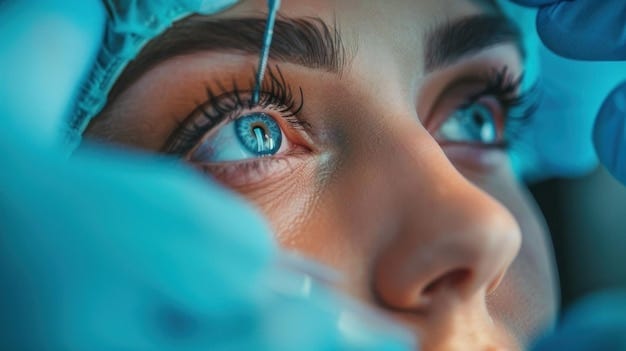
Conventional treatments for glaucoma include prescription eye drops, oral medications, and sometimes conventional surgery. However, laser eye surgery has become a popular and highly effective option for controlling intraocular pressure, particularly in patients where other methods are less effective or not suitable. The laser treatment targets the trabecular meshwork, improving fluid drainage from the eye and reducing IOP.

Here are some reasons why laser eye surgery is a preferred option for glaucoma:

  • Non-Invasive: Laser surgery is less invasive than traditional glaucoma surgery, with minimal recovery time.
  • Effective in Reducing Eye Pressure: Laser surgery can significantly reduce intraocular pressure, particularly in patients who do not respond well to medications.
  • Fewer Side Effects: Compared to long-term use of eye drops or invasive surgery, laser treatments often have fewer side effects.
  • Quick Procedure: Most laser surgeries for glaucoma are completed in a matter of minutes and do not require hospital stays.

Types of Laser Eye Surgery for Glaucoma

Eyeroots Eye Clinic in Delhi offers several types of laser surgeries tailored to treat glaucoma based on the severity and type of the condition. The following are the main types of laser surgeries available for glaucoma patients:

1. Selective Laser Trabeculoplasty (SLT)

SLT is a widely-used procedure for open-angle glaucoma. It involves using a low-level laser to target specific cells within the eye’s drainage system (the trabecular meshwork), leaving the surrounding tissue intact. By improving the drainage of fluid, SLT helps to lower IOP.

  • Indications: Patients with open-angle glaucoma, especially those who are not responding to eye drops.
  • Advantages: Minimal tissue damage, low risk of complications, and effective in reducing IOP. SLT can be repeated if necessary.

2. Argon Laser Trabeculoplasty (ALT)

ALT is another option for treating open-angle glaucoma. In this procedure, a laser is applied to the trabecular meshwork to create small burns. These burns help the fluid to drain more effectively, reducing intraocular pressure.

  • Indications: Patients with open-angle glaucoma who have not had success with medications.
  • Advantages: Proven method for reducing IOP, though SLT has largely replaced it due to fewer side effects.

3. Laser Peripheral Iridotomy (LPI)

LPI is the most common laser treatment for angle-closure glaucoma. It involves using a laser to create a tiny hole in the iris, which allows the fluid to flow more freely between the anterior and posterior chambers of the eye. This helps to reduce intraocular pressure and prevent future angle-closure attacks.

  • Indications: Patients with angle-closure glaucoma or those at risk of an acute attack.
  • Advantages: Effective in preventing acute glaucoma attacks, often done as a preventive measure in patients with narrow angles.

4. Cyclophotocoagulation

Cyclophotocoagulation is a laser procedure that targets the ciliary body, the part of the eye that produces fluid. By reducing fluid production, this procedure helps to lower intraocular pressure. It is often used for patients with advanced glaucoma who have not responded to other treatments.

  • Indications: Patients with advanced or refractory glaucoma.
  • Advantages: Can be an effective option when other treatments have failed, though it is typically reserved for more severe cases.

What to Expect During Laser Eye Surgery for Glaucoma

At Eyeroots Eye Clinic Delhi, laser eye surgery for glaucoma is performed as an outpatient procedure, meaning that patients can go home the same day. Here’s what you can expect during the process:

  • Pre-Surgery Assessment: Before the procedure, a thorough examination will be conducted to determine the type of glaucoma and the best course of treatment. This includes measuring IOP, checking the drainage angle, and evaluating the optic nerve.

  • The Procedure: The surgery itself is relatively quick and usually takes less than 30 minutes. A local anesthetic is applied to numb the eye, and a special lens is placed on the eye to focus the laser. The doctor will apply the laser to the targeted area, either to improve fluid drainage or to reduce fluid production.

  • Post-Surgery Care: After the procedure, patients may experience some mild discomfort or blurry vision, but this usually resolves within a few hours to a few days. Anti-inflammatory eye drops may be prescribed to reduce swelling, and patients will be scheduled for follow-up visits to monitor their intraocular pressure.

Who is a Candidate for Laser Eye Surgery?

Laser eye surgery is not suitable for all glaucoma patients. Certain factors must be considered when determining if a patient is a good candidate for laser treatment. Here are some general guidelines:

  • Patients with Open-Angle Glaucoma: Laser trabeculoplasty is often a good option for those with open-angle glaucoma, particularly if they have not responded to medications or want to reduce their reliance on eye drops.

  • Patients with Angle-Closure Glaucoma: Laser iridotomy is typically used to prevent or treat angle-closure glaucoma.

  • Patients with Advanced Glaucoma: For patients with advanced or refractory glaucoma, procedures like cyclophotocoagulation may be an option.

  • Patients Unable to Adhere to Medication Regimens: Patients who struggle with the daily use of eye drops may benefit from laser surgery as it can reduce or eliminate the need for medications.

Why Choose Eyeroots Eye Clinic for Glaucoma Treatment?

Eyeroots Eye Clinic, located in the heart of Delhi, is renowned for its cutting-edge technology and personalized patient care. Here's why patients choose Eyeroots for glaucoma treatment:

  • Experienced Surgeons: Eyeroots is home to a team of highly skilled and experienced ophthalmologists specializing in glaucoma treatment. Their expertise ensures that patients receive the best possible care.

  • State-of-the-Art Technology: The clinic is equipped with the latest diagnostic and laser technology, ensuring accurate diagnosis and effective treatment.

  • Comprehensive Care: From initial diagnosis to post-operative care, Eyeroots offers a full range of services to ensure that patients receive the most comprehensive care.

  • Patient-Centered Approach: At Eyeroots, every patient is treated as an individual. The clinic tailors treatment plans to meet the specific needs and circumstances of each patient.

Conclusion

Glaucoma is a serious eye condition that can lead to permanent vision loss if not treated promptly. Laser eye surgery offers an effective way to manage glaucoma and reduce intraocular pressure, thereby preserving vision. At Best Eye Doctor in Delhi NCR , patients have access to the latest advancements in laser surgery for glaucoma, combined with compassionate and personalized care.

If you or a loved one is suffering from glaucoma, it is crucial to seek treatment as early as possible. Contact Eyeroots Eye Clinic today to schedule a consultation and explore the options available for managing glaucoma and preserving your sight for the future.


Tuesday, September 17, 2024

Contact Lenses Prescription

Everything You Need to Know About Contact Lenses Prescription

For anyone looking to switch from glasses to contact lenses, the first and most important step is understanding your contact lens prescription. While some may think it’s as simple as taking your glasses prescription and applying it to contacts, Contact Lenses Prescription the reality is far more nuanced. In this blog, we’ll explore how contact lens prescriptions work, what you need to know before getting one, and how to make sure you’re wearing lenses that are right for your eyes.

What Is a Contact Lens Prescription?

contact lens prescription is a specialized order written by an optometrist or ophthalmologist. It provides precise details about the type of contact lenses best suited for your eyes and vision needs. Unlike eyeglasses, contact lenses sit directly on your eye, Contact Lenses Prescription so factors like lens diameter, base curve, and material are crucial.

A contact lens prescription includes:

  • Power (PWR or SPH): The main corrective strength of the lens, measured in diopters. Negative numbers indicate correction for nearsightedness (myopia), while positive numbers indicate farsightedness (hyperopia).
  • Base Curve (BC): A measurement of the curve on the back of the contact lens. This is key to ensuring the lens fits the shape of your cornea.
  • Diameter (DIA): The diameter of the lens, important for how the lens sits on your eye and ensuring comfort and proper fit.
  • Brand or Material: The specific brand or type of material is often included, as contact lenses differ significantly in their composition. Some materials are better suited for dry eyes, Contact Lenses Prescription others for oxygen permeability.

These measurements are uniquely tailored to your eyes and must be followed exactly when ordering or buying lenses.

Differences Between Glasses and Contact Lenses Prescription

One of the most common misconceptions is that a glasses prescription can be used to order contact lenses. However, this is not the case for several reasons:

  • Distance from the Eye: Glasses sit about 12 millimeters from your eyes, while contact lenses sit directly on the cornea. This difference can alter how the prescription strength needs to be adjusted.
  • Base Curve and Diameter: Glasses don’t need to account for the curvature or diameter of the eye, but contact lenses do, making these measurements essential for contacts.
  • Fitting Process: Contact lenses need to be fitted properly to prevent issues like discomfort, dry eyes, or even infections. The fitting process is different for contact lenses than it is for glasses.

How to Get a Contact Lens Prescription

Before purchasing contact lenses, you must undergo a comprehensive eye exam and a fitting by an eye care professional. Here’s a step-by-step guide:

  1. Schedule an Eye Exam: Book an appointment with an optometrist or ophthalmologist. They will check your visual acuity, assess whether you have any eye health issues, Contact Lenses Prescription and determine whether you’re a good candidate for contact lenses.
  2. Contact Lens Fitting: After the exam, the eye doctor will conduct a contact lens fitting. This involves measuring your cornea, evaluating tear film production (to ensure you have sufficient moisture for contact lens wear), and trying different lenses to see which fit best.
  3. Trial Lenses: In many cases, you’ll be provided with trial lenses to wear for a few days. The optometrist will assess how well they fit and how comfortable they feel during a follow-up visit.
  4. Finalize the Prescription: Once the fitting is complete and you’re comfortable with the lenses, the doctor will write your official contact lens prescription.

Types of Contact Lenses

When it comes to choosing contact lenses, several types are available, each designed to meet different needs. Some of the most popular options include:

  • Soft Contact Lenses: Made from flexible plastics, these are the most commonly prescribed lenses. They’re comfortable and easy to get used to, and they come in both daily disposable and monthly disposable varieties.
  • Rigid Gas Permeable (RGP) Lenses: These are made from a firmer plastic that allows oxygen to pass through. They provide sharp vision and are durable but may take longer to adjust to than soft lenses.
  • Tonic Lenses: Designed for people with astigmatism, these lenses have different powers in different meridians of the lens to correct the uneven curvature of the eye.
  • Multifocal Lenses: These lenses are for individuals who need both distance and near vision correction, often due to presbyopia (age-related farsightedness).
  • Colored Lenses: These can enhance or change your eye color while also correcting vision. Some colored lenses are purely cosmetic, with no corrective power.

How Often Do You Need to Update Your Contact Lens Prescription?

Contact lens prescriptions are typically valid for one year, Contact Lenses Prescription but your eye care professional may recommend more frequent visits if you have specific eye health concerns. Regular eye exams ensure that your prescription is still correct and that the lenses continue to fit well and feel comfortable.

It’s important to avoid wearing expired lenses or a prescription that’s out-of-date. As your vision changes over time, Contact Lenses Prescription the wrong prescription could cause eye strain, headaches, or blurry vision.

Contact Lens Care and Maintenance

Wearing the right prescription is just one part of maintaining good eye health while using contact lenses. Proper lens care is crucial to avoid eye infections, discomfort, and long-term complications. Here are some key tips:

  1. Wash Your Hands: Always wash your hands thoroughly before handling your lenses to avoid transferring bacteria or debris to your eyes.
  2. Use Fresh Solution: Never reuse old contact lens solution. Always use fresh solution to clean and store your lenses.
  3. Don’t Over wear Your Lenses: Follow the recommended schedule for wearing and replacing your lenses. Over wearing can lead to complications like dry eyes, discomfort, or infection.
  4. Avoid Sleeping in Contacts: Unless your lenses are specifically designed for overnight wear, avoid sleeping with your lenses in. It reduces oxygen supply to the cornea, Contact Lenses Prescription which can lead to infections or other issues.
  5. Follow Instructions: Always follow your optometrist’s instructions regarding how to use, clean, and store your contact lenses.

Signs You Might Need a New Prescription

Even with a proper contact lens prescription, you may notice signs that it’s time to revisit your eye doctor for a check-up. These include:

  • Blurry Vision: If your vision becomes blurry even when wearing your lenses, it could indicate that your prescription has changed.
  • Eye Discomfort: Any pain, irritation, or excessive dryness may signal that your lenses no longer fit properly.
  • Frequent Eye Infections: If you experience recurrent conjunctivitis (pink eye) or other infections, Contact Lenses Prescription it may be a sign that your lenses are not working well with your eyes.

Conclusion

contact lens prescription is more than just a number. It’s a carefully tailored document that ensures your lenses fit properly, correct your vision, and are safe for long-term use. Getting the right prescription requires a professional eye exam, Eyeroots Eye Clinic Have Best Eye Doctor in Delhi NCR a proper fitting, and ongoing care. With regular check-ups and good maintenance habits, contact lenses can provide you with comfortable, clear vision while fitting seamlessly into your lifestyle.

Tuesday, September 10, 2024

Laser Correction Eye Surgery

Laser Eye Surgery Treatment has revolutionized the field of ophthalmology, offering millions of people the opportunity to correct vision problems and reduce or eliminate the need for glasses or contact lenses. At Eyeroots Eye Clinic, we are proud to offer cutting-edge laser correction procedures designed to provide patients with clear, improved vision. Our experienced team of ophthalmologists and state-of-the-art technology ensure that each patient receives the highest level of care and optimal results.

In this blog, we will delve into what laser eye correction surgery is, the different types available, who is a good candidate, the benefits and risks, and what you can expect from the procedure at Eyeroots Eye Clinic.

What is Laser Correction Eye Surgery?

Laser correction eye surgery, also known as refractive surgery, is a medical procedure that uses a laser to reshape the cornea — the transparent front part of the eye — to correct vision problems. The goal of this surgery is to improve how light is focused on the retina, leading to clearer vision.

Laser eye surgery is commonly used to treat conditions such as:

  • Myopia (Nearsightedness): Difficulty seeing distant objects clearly.
  • Hyperopia (Farsightedness): Difficulty seeing close objects clearly.
  • Astigmatism: Blurred or distorted vision due to the irregular shape of the cornea.
  • Presbyopia: Age-related difficulty focusing on close objects.

These conditions are referred to as refractive errors, and laser eye surgery can significantly reduce or eliminate the need for corrective eyewear.

Types of Laser Correction Eye Surgery

There are several types of laser eye surgery, each designed to address specific vision issues. At Eyeroots Eye Clinic, we offer the following procedures:

1. LASIK (Laser-Assisted In Situ Keratomileusis)

LASIK is the most well-known and often done laser eye surgery. It entails producing a tiny flap in the cornea, which is subsequently raised to allow the laser to remodel the underlying corneal tissue. Following the reshaping, the flap is replaced and heals naturally without the need for stitches.

  • Benefits of LASIK:
  • Quick recovery time (most patients see well within 24 to 48 hours).
  • Minimal discomfort during the procedure.
  • Suitable for treating myopia, hyperopia, and astigmatism.

2. PRK (Photorefractive Keratectomy)

PRK is another popular type of laser eye surgery. Unlike LASIK, PRK does not require the creation of a corneal flap. Instead, the cornea’s outer layer (the epithelium) is removed and the laser used to reshape it. The epithelium regenerates over time following the surgery.

  • Benefits of PRK:
  • No risk of flap complications, making it a safer option for patients with thin or irregular corneas.
  • Suitable for individuals with mild to moderate myopia, hyperopia, and astigmatism.

3. SMILE (Small Incision Lenticule Extraction)

SMILE is a newer, minimally invasive procedure. It uses a femtosecond laser to create a small, disc-shaped piece of corneal tissue (called a lenticule), which is then removed through a tiny incision. This reshapes the cornea and corrects vision.

  • Benefits of SMILE:
  • Less invasive than LASIK, with no corneal flap creation.
  • Quicker recovery time than PRK, and less dry eye risk.
  • Ideal for treating mild to moderate myopia and astigmatism.

4. LASEK (Laser-Assisted Sub-Epithelial Keratomileusis)

LASEK is comparable to PRK, but it preserves the thin layer of the epithelium, which is softly adjusted following laser reshaping. This technique is appropriate for patients who may not be good candidates for LASIK due to thin corneas.

  • Benefits of LASEK:
  • Suitable for patients with thin corneas or those prone to dry eyes.
  • Effective for treating myopia, hyperopia, and astigmatism.

Who is a Good Candidate for Laser Eye Surgery?

Laser correction eye surgery is an excellent option for many people, but not everyone is a suitable candidate. The best candidates are those who:

  • Are Over 18 Years Old: Vision should be stable, as changes can still occur in younger patients.
  • Have Stable Vision: Your prescription should not have changed significantly in the last year or two.
  • Are in Good Health: Certain medical conditions (e.g., autoimmune diseases, uncontrolled diabetes) may affect healing.
  • Have Healthy Eyes: Candidates should be free of conditions such as cataracts, severe dry eye, or other eye diseases.
  • Have Realistic Expectations: While laser eye surgery can significantly improve vision, some patients may still need glasses for certain activities, such as reading or driving at night.

Eyeroots Eye Clinic provides complete exams to establish whether you are a suitable candidate for laser eye surgery. Our experts will walk you through the process and recommend the best treatment option based on your specific circumstances.

Benefits of Laser Eye Surgery

There are numerous benefits to undergoing laser correction eye surgery, including:

1. Improved Vision

The primary benefit of laser eye surgery is improved vision. Most patients experience significant improvement, often achieving 20/20 vision or better, allowing them to see clearly without glasses or contact lenses.

2. Quick and Painless Procedure

Laser eye surgery is performed as an outpatient procedure and usually takes less than 30 minutes. It is virtually painless, and most patients experience only mild discomfort or irritation during recovery.

3. Long-Lasting Results

Laser eye surgery produces long-lasting results. For the vast majority of patients, eyesight improvement is permanent, however some may require a minor augmentation operation years later.

4. Fast Recovery Time

Laser eye surgery often has a rapid recovery time. Most patients can resume normal activities after a day or two, and vision usually stabilizes within a few weeks.

5. Freedom from Glasses and Contact Lenses

After laser eye surgery, many patients enjoy the freedom of not relying on glasses or contact lenses for daily activities. This can be particularly beneficial for athletes, travelers, or individuals with active lifestyles.

Potential Risks and Side Effects

While laser eye surgery is considered safe, like any surgical procedure, it does carry some risks. These risks include:

  • Dry Eyes: Some patients experience dry eyes after surgery, which can be managed with lubricating eye drops.
  • Halos or Glare: A small percentage of patients may notice halos or glare around lights, particularly at night. These symptoms usually subside over time.
  • Undercorrection or Overcorrection: In some cases, the surgery may not fully correct vision, and a second procedure (enhancement) may be needed.
  • Infection: As with any surgery, there is a small risk of infection. However, this is rare, and proper post-operative care minimizes the risk.

At Eyeroots Eye Clinic, patient safety is our top priority. We provide detailed pre-operative assessments and post-operative care to minimize risks and ensure a smooth recovery.

What to Expect During and After the Procedure

Before Surgery

Before undergoing laser correction surgery, you will have a comprehensive eye exam at Eyeroots Eye Clinic. Our team will measure your eye prescription, check for any underlying eye conditions, and map the surface of your cornea to plan the procedure.

During the Procedure

On the day of your surgery, numbing eye drops will be administered to ensure your comfort. You will lie back as the ophthalmologist uses a laser to reshape your cornea. The treatment is short, often taking 10–20 minutes for both eyes.

After Surgery

You may have slight pain following surgery, such as dry eyes, sensitivity to light, or itching. These symptoms are transient and can be treated with eye drops and drugs. Avoid rubbing your eyes and carefully follow your post-operative care instructions.

You will need to attend follow-up appointments at Eyeroots Eye Clinic to monitor your healing and ensure the best possible outcome.

The Eyeroots Eye Clinic Difference

Eyeroots Eye Clinic takes pleasure in providing the greatest level of care for laser eye correction surgery. Our clinic is outfitted with cutting-edge laser equipment, and our skilled ophthalmologists are dedicated to providing tailored care to each patient.

Here’s what sets Eyeroots Eye Clinic apart:

  • State-of-the-Art Technology: We use the latest lasers and diagnostic tools to ensure precise, safe, and effective surgery.
  • Experienced Surgeons: Our team of highly skilled ophthalmologists has extensive experience in performing laser correction surgeries, ensuring the best possible outcomes for our patients.
  • Comprehensive Care: From your initial consultation to post-operative care, we are with you every step of the way, ensuring a smooth, stress-free experience.

Conclusion

Laser correction eye surgery is a transformative operation that can drastically improve your vision and quality of life. Whether you’re tired of wearing glasses or contacts or looking for a permanent solution to your refractive problem, Eyeroots Eye Clinic can assist, With our Best Eye Doctor in Delhi NCR skilled team and cutting-edge technologies, you can count on us to provide safe, effective, and individualized therapy.

If you’re interested in learning more about laser correction eye surgery or scheduling a consultation, contact Eyeroots Eye Clinic today. Let us help you achieve the clear, sharp vision you deserve.

Contact Us For more information or to book an appointment, visit our website or call us at [Insert Contact Information]. We look forward to helping you see the world more clearly!

This blog provides a detailed overview of laser correction eye surgery, its benefits, the different types of surgery available, and what patients can expect at Eyeroots Eye Clinic.


Is Cataract Surgery Safe for Senior Citizens? What Patients in Faridabad Should Know

Introduction Cataracts are one of the most common eye conditions affecting senior citizens. If you're a senior living in Faridabad con...